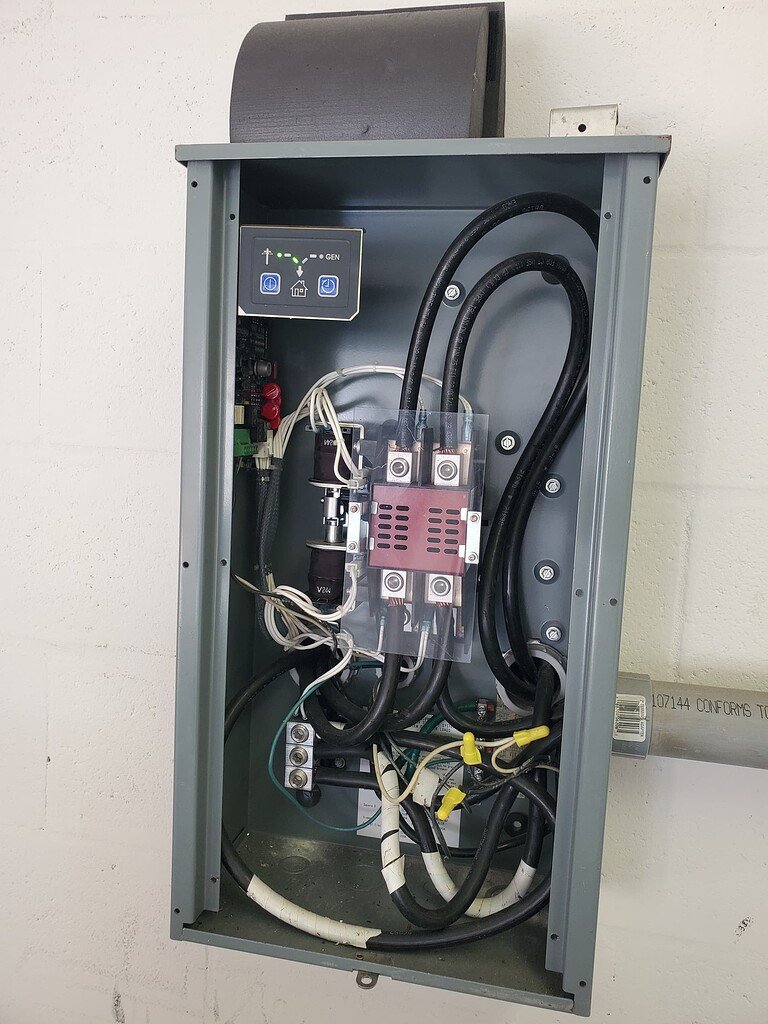
When the lights go out, your immediate thought probably isn't about electrical systems, but rather, "How do I get my power back on safely and quickly?" This question lies at the heart of comparing transfer switches with other generator connection methods. While a portable generator can be a lifesaver, connecting it directly to your home's wiring without proper equipment is not just dangerous – it's often illegal. The critical component that bridges this gap, ensuring safety and functionality, is the transfer switch.
A transfer switch is a specialized electrical device that manages the connection between your home's main power source (the utility grid) and your backup generator. Its primary, non-negotiable role is to prevent "backfeeding"—the incredibly hazardous situation where electricity from your generator flows back onto the utility lines. Backfeeding can electrocute utility workers attempting to restore power and can also damage your generator or home's electrical system. Beyond safety, a transfer switch streamlines the process, making generator power accessible without a tangle of extension cords.
At a Glance: Your Generator Connection Options
- Transfer Switches (Manual & Automatic): The safest, most reliable, and often legally required method for connecting a generator to your home's electrical panel. They prevent dangerous backfeeding.
- Manual Transfer Switches (MTS): Affordable, hands-on control for essential circuits. Requires human intervention during an outage. Best for basic backup needs and homeowners usually present.
- Automatic Transfer Switches (ATS): Set-it-and-forget-it convenience for whole-home backup. Automatically detects outages, starts the generator, and switches power. Ideal for frequent travelers, critical loads (medical equipment), or those desiring seamless comfort.
- Direct Connection (Extension Cords): Only for powering individual appliances. Never plug a generator directly into a wall outlet.
- Backfeeding Through a Breaker (The "Suicide Cord"): Extremely dangerous, illegal, and puts lives at risk. Avoid at all costs.
The Foundation of Safe Power: Understanding Transfer Switches
Think of a transfer switch as a traffic cop for your home's electricity. When utility power is flowing, it directs that electricity into your home. When the utility power drops out, the switch isolates your home from the grid and directs power from your generator instead. This critical isolation is what makes transfer switches the only safe and legal way to connect a generator directly to your home's wiring.
Without a transfer switch, you're left with two fundamentally flawed and dangerous options for generator use: relying solely on extension cords for individual appliances, or attempting to backfeed power directly into your electrical panel (which is a recipe for disaster, as we'll discuss).
Manual Transfer Switches: Hands-On Control for Essential Power
A Manual Transfer Switch (MTS) puts you firmly in control. When the power goes out, it requires your direct action to initiate the transfer process. This isn't necessarily a drawback, especially for those who prefer a hands-on approach or have more basic backup needs.
How a Manual Transfer Switch Operates
Imagine your neighborhood goes dark. Here's what you'd do with an MTS:
- Acknowledge the Outage: You notice the utility power has failed.
- Start Your Generator: You go to your generator, start it up, and allow it to warm up.
- Flip the Switch: At your manual transfer switch panel (usually located near your main electrical panel), you physically flip a switch from "Utility" to "Generator." This action safely disconnects your home from the grid and connects it to your generator.
- Power Select Circuits: Power now flows from your generator to the specific circuits you've chosen to connect to your MTS (typically 6-16 essential circuits like your refrigerator, furnace, well pump, and some lights/outlets).
- Restore Utility Power: When grid power returns, you reverse the process: flip the switch back to "Utility," allow your generator to cool down, and then shut it off.
The Financials: Cost-Effective Backup
Manual transfer switches are the more budget-friendly option. The equipment itself typically costs between $200 and $800. Professional installation, which is highly recommended (and often required by code), adds another $500 to $1,500. All told, you're looking at a total investment of approximately $700 to $2,300. This makes them accessible for many homeowners seeking reliable, basic backup.
Advantages of Manual Control
- Lower Upfront Costs: Significantly less expensive than automatic systems, often 60-70% less.
- Simpler Installation: While professional installation is best, the process is generally less complex than for ATS units, making it quicker and less costly.
- Fewer Moving Parts: Their simpler mechanical design means fewer electronic components that could fail.
- Complete Control: You decide exactly when to switch power sources and which circuits to power.
- No False Triggers: Only you can initiate the power transfer.
- Generator Flexibility: Works with virtually any type of portable generator. If you're looking for specifics on how to set up your portable generator, consult a dedicated portable generator transfer switch guide.
Disadvantages to Consider
- Requires Presence & Action: Someone must be home and physically able to operate the generator and switch.
- Response Delay: There's a 5-15 minute gap between an outage and restored power, as you need to manually start the generator and flip the switch.
- Weather Exposure: Operating your generator and transfer switch means going outside, regardless of rain, snow, or extreme temperatures.
- Limited Capacity: Most MTS units are designed for essential circuits, not whole-home power.
- No Remote Monitoring: You won't know if the power is out or if your generator is running unless you're physically there.
- Momentary Power Loss: There's a brief period of no power during the manual switching process.
Longevity and Upkeep
Manual transfer switches are robust, often lasting 20-30 years with minimal fuss. Maintenance is straightforward: a quarterly operational test (taking just a few minutes to ensure it functions) and an annual visual inspection for any wear or loose connections.
Who Benefits Most from an MTS?
Manual transfer switches are an excellent choice for:
- Homeowners on a limited budget.
- Individuals who are usually present during power outages.
- Those with basic backup needs, focused on keeping essential appliances running.
- Anyone who prefers hands-on control and doesn't mind the manual operation.
Safety Considerations with MTS
While the transfer switch itself ensures electrical safety within your home, the manual operation introduces other factors. You'll be exposed to weather, and there's a small risk of human error during generator startup. Crucially, always ensure your generator is placed at least 20 feet from any windows, doors, or vents to prevent dangerous carbon monoxide (CO) fumes from entering your home.
Automatic Transfer Switches: Seamless Power, Uninterrupted Life
The Automatic Transfer Switch (ATS) is the epitome of convenience and reliability. It's designed to operate entirely without human intervention, monitoring your utility power 24/7 and acting instantaneously when an outage occurs.
The Seamless Sequence of an ATS
When the utility power decides to take a vacation, here's how an ATS springs into action:
- Power Loss Detected: The ATS continuously monitors the utility power. Within 2-10 seconds of an outage, it detects the disruption.
- Generator Start Signal: The ATS sends a signal to your standby generator, telling it to start.
- Generator Ramps Up: The generator starts and reaches its optimal operating speed, typically taking 10-30 seconds.
- Automatic Power Transfer: Once the generator is stable, the ATS automatically switches your home's electrical load from the utility grid to the generator.
- Utility Power Returns: When grid power is restored, the ATS senses it, waits a pre-programmed interval (usually 5-10 minutes) to ensure stability, then transfers your home's load back to utility power.
- Generator Cool-Down & Shutdown: The generator enters a cool-down cycle before automatically shutting itself off, ready for the next outage.
From outage to power, the entire process can be less than a minute, often so fast you might not even realize the power went out until you notice your neighbors' lights are off.
Key Features that Set ATS Apart
- Fast Reaction Times: Uninterrupted power within seconds (10-30 seconds total).
- Microprocessor Control: Precision management of power switching, generator diagnostics, and self-testing.
- Remote Monitoring: Many ATS units allow you to monitor your generator's status, fuel levels, and operation from your smartphone or computer.
- Load Management: Advanced units can prioritize circuits, temporarily shedding non-essential loads to prevent generator overload.
- Delayed Reconnection: Prevents immediate transfer back to utility power if there are temporary flickers or surges, protecting your sensitive electronics.
- Weekly Self-Testing: Most ATS units conduct a brief, automatic self-test once a week to ensure the generator is ready to run when needed.
The Investment: Costs for Comfort and Convenience
Automatic transfer switches represent a more significant investment. The equipment alone can range from $1,000 to $3,000. Professional installation is mandatory due to the complexity, often involving electrical, gas line (for natural gas/LP standby generators), and permitting work. This adds $2,000 to $5,000, bringing the total cost to anywhere from $3,000 to $8,000. While higher, this cost often reflects whole-home coverage and unparalleled convenience.
The Distinct Advantages of Automation
- Instant Response: Power is restored in seconds, whether you're home or away.
- "Set-It-and-Forget-It": No manual intervention required.
- Weather Independent: You never need to brave the elements to get power back.
- Whole-Home Coverage: Typically designed to power your entire electrical panel, offering full home comfort.
- Smart Monitoring: Many systems offer diagnostic alerts and remote access.
- Enhanced Safety: Eliminates manual errors and human exposure to electrical components.
- Critical for Sensitive Systems: Essential for homes with medical equipment, security systems, or smart home technology that requires continuous power.
- Protects Electronics: Stable power output and delayed reconnection prevent surges that could damage sensitive devices.
Potential Downsides
- Higher Upfront Costs: The most significant disadvantage for many budgets.
- Higher Maintenance Costs: Annual professional servicing ($200-400) is recommended to ensure optimal performance.
- Complex Installation: Requires certified electricians and potentially plumbers for gas lines, plus permits and inspections.
- More Components: Increased electronics mean a higher potential for rare false starts or more costly repairs if issues arise.
- Generator Compatibility: Requires a compatible standby generator (usually a permanent installation) rather than a portable unit.
Maintenance for Peak Performance
ATS units perform weekly automatic self-tests. However, an annual professional maintenance check is crucial. This typically includes:
- Checking battery health (often replaced every 2-3 years).
- Inspecting all electrical connections.
- Verifying control circuit functionality.
- Applying any necessary software updates.
- Running a full operational test.
With proper maintenance, an ATS can provide reliable service for 20-30 years.
Ideal Candidates for an ATS
Automatic transfer switches are the preferred solution for:
- Frequent travelers or those who work long hours away from home.
- Homes with medical equipment (e.g., oxygen concentrators, CPAP machines) or essential security systems.
- Anyone desiring whole-home comfort during an outage, maintaining HVAC, water heaters, and all appliances.
- Individuals with physical limitations that make manual operation difficult or unsafe.
Unmatched Safety Advantages
The primary safety advantage of an ATS is the complete removal of human interaction during an outage. No one needs to go outside in a storm to start a generator or operate switches, eliminating risks of weather exposure, human error, or direct contact with electrical components. The professional installation and automated, consistent operation also minimize the risk of wiring errors and provide faster, more stable power transfer for sensitive equipment.
Beyond Manual and Automatic: Niche Transfer Switch Types
While MTS and ATS cover the vast majority of residential and small commercial needs, the world of transfer switches includes specialized options designed for very specific applications.
- Open Transition Transfer Switches: These are what we primarily discussed for residential use. They operate on a "break-before-make" principle, meaning they disconnect from the utility power before connecting to the generator. This causes a brief, momentary power interruption (a few seconds) during the transfer. They are simpler, less expensive, and perfectly suitable for homes and many businesses where a brief flicker is acceptable.
- Closed Transition Transfer Switches: These are the high-performers for critical applications. They employ a "make-before-break" function, momentarily connecting both utility and generator sources simultaneously before disconnecting one. This creates a seamless, continuous power supply with no interruption whatsoever. They are vital for systems like data centers, hospitals, emergency response, and sensitive industrial processes where even a millisecond of power loss is unacceptable. They require complex synchronization and are significantly more expensive.
- Delayed Transition Switches: These switches introduce a deliberate pause during the transfer process, either before connecting to the generator or before returning to utility power. This delay allows the generator to stabilize or sensitive equipment to shut down gracefully before receiving a new power source, preventing surges or damage. They are commonly used in industrial settings or specialized commercial environments with delicate machinery.
The Pitfalls: Other Generator Connection Methods (and Why to Avoid Them)
When comparing transfer switches with other generator connection methods, it becomes clear that alternatives are either unsafe or insufficient. Understanding why they fall short is crucial for making the right decision for your home.
The Extension Cord Route: Limited & Risky
Many portable generator owners resort to running extension cords from their generator to individual appliances inside their home.
- The Problem: This method is cumbersome, inconvenient, and fundamentally limited. You can only power a few items, often requiring multiple cords that can become tripping hazards. More critically, using too many cords, or cords that are too thin (under-rated), can lead to overheating, fire hazards, and damage to your generator or appliances. It also means running cords through open windows or doors, compromising your home's security and energy efficiency, and allowing carbon monoxide to potentially seep in.
- When It's Okay: For truly temporary use, powering a single outdoor tool, or a few appliances in an emergency while the generator is located far from your home and its openings, extension cords are acceptable. But they are absolutely not a substitute for safely integrating a generator into your home's electrical system.
Backfeeding Through a Breaker: The "Suicide Cord" and Extreme Danger
This is perhaps the most dangerous and unequivocally illegal method of connecting a generator to your home. It involves creating a custom cord with two male ends—one plugged into the generator, the other into a standard wall outlet in your home.
- The Problem: This method directly injects generator power back into your home's electrical panel, bypassing all safety mechanisms, including the main breaker and any transfer switch. If the main breaker isn't manually switched off, your generator's power will flow out onto the utility grid (backfeeding). This is how utility workers get electrocuted. It can also overload your generator, damage your home's wiring, and create a severe fire hazard. This method is often referred to as a "suicide cord" for a very grim reason.
- NEVER Do This: There is no scenario where backfeeding through a breaker is safe, legal, or advisable. It's a direct threat to life and property.
Choosing the Right Transfer Switch for Your Home
Deciding between a manual and automatic transfer switch boils down to a few key factors: your budget, lifestyle, power needs, and local regulations.
1. Budget: Upfront vs. Long-Term Value
- Manual System: Expect total costs of $700 - $2,300. This is your entry point for safe, code-compliant generator integration.
- Automatic System: Prepare for an investment of $3,000 - $8,000. While higher upfront, consider the value of continuous power, protection for sensitive electronics, and peace of mind over 20-30 years. Factor in annual maintenance for ATS.
2. Home Occupancy & Lifestyle
- Are you usually home during outages? If so, a manual switch might be fine. You're there to operate it.
- Do you travel frequently, work long hours, or have a busy family? An automatic system ensures your home is powered even when you're away, protecting food in the fridge and maintaining security systems.
- Are there elderly residents or individuals with physical limitations? An ATS eliminates the physical demands of manual operation, making it a safer and more comfortable choice.
3. Your Power Requirements
- Basic Essentials: If you only need to power a few critical items (refrigerator, furnace, some lights), a manual switch controlling 6-16 circuits is usually sufficient.
- Whole-Home Comfort or Critical Loads: For powering your entire home, including HVAC, water heater, and all appliances, or if you have essential medical equipment or robust security systems, an automatic transfer switch (paired with a suitably sized standby generator) is the only viable option.
4. Regional Considerations & Local Codes
- Outage Frequency: In areas prone to frequent or prolonged power outages (e.g., due to severe weather), an automatic system provides much greater value and comfort.
- Local Electrical Codes: Always check your local jurisdiction's electrical codes. Some areas, or specific types of installations (e.g., medical facilities, commercial properties), may mandate automatic transfer switches or require larger generators (e.g., over 15kW in Texas) to have an ATS. Professional electricians are well-versed in these requirements.
5. Installation Complexity & Costs
- Manual Transfer Switch: Installation typically takes 4-8 hours for a qualified electrician, costing $500-$1,500. It's primarily electrical work.
- Automatic Transfer Switch: This is a 1-2 day project requiring comprehensive professional installation. It involves not only electrical work but potentially gas line installation (for natural gas/LP standby generators), concrete pad pouring, obtaining permits, and multiple inspections. This accounts for the higher installation cost of $2,000-$5,000.
Universal Safety Practices: Regardless of Your Choice
While the type of transfer switch you choose influences convenience and cost, some safety principles are universal for any generator setup:
- Prevent Carbon Monoxide Poisoning: Always operate generators outdoors, far away from windows, doors, and vents (at least 20 feet). Consider CO detectors in your home.
- Proper Grounding: Ensure your generator is properly grounded according to manufacturer instructions and local codes. A transfer switch inherently aids in proper grounding when installed correctly.
- Overcurrent Protection: Transfer switches include built-in overcurrent protection, similar to your main electrical panel, to prevent damage from electrical surges or overloads.
- Professional Installation is Key: No matter if you choose manual or automatic, always use a qualified, licensed electrician for installation. This ensures your system is compliant with all local codes, operates safely, and prevents backfeeding. Errors in installation can negate all safety features.
Your Path to Reliable Backup Power
The journey to dependable backup power starts with a clear understanding of your needs and the tools available.
- Evaluate Your True Needs: Don't just consider what you want to power, but what you must power during an outage. How often are you home? What's your comfort level with manual operation? This critical self-assessment is the first step.
- Match with Your Budget: Be realistic about what you're willing and able to invest, both upfront and for long-term maintenance.
- Choose Manual If: Your budget is under $2,500, you're typically home during outages, you only need to power essential circuits, you're comfortable with hands-on operation, or you simply prefer the most straightforward system.
- Choose Automatic If: You have a budget of $3,000 or more, you travel frequently, you have critical medical equipment or sophisticated security systems, you desire whole-home comfort, or you have physical limitations that make manual operation difficult.
- Consider an Upgrade Path: It's possible to start with a manual system and upgrade to an automatic one later if your needs or budget change.
- Seek Professional Guidance: The best way to finalize your decision is to get quotes from multiple qualified electricians. They can assess your specific home, explain local code requirements, and provide accurate cost estimates for both manual and automatic options, giving you the real numbers for your unique situation.
The decision to install a transfer switch isn't just about convenience; it's about the safety of your home, your family, and utility workers. By choosing the right transfer switch and ensuring professional installation, you're not just getting power back on—you're doing it the right way, for years of reliable, worry-free operation. Your chosen system will likely serve you for 20-30 years, so take the time to make an informed choice that truly fits your life.