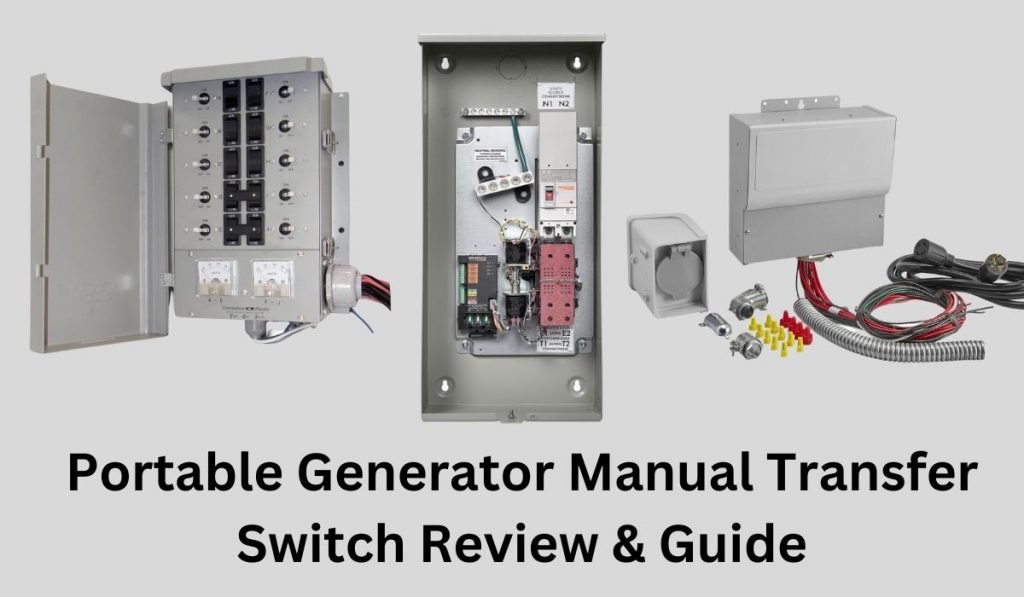
Losing power can bring your home to a standstill, plunging you into darkness and disrupting daily life. While a portable generator offers a powerful solution to restore essential services, connecting it directly to your home's electrical system poses significant risks – both to your property and to utility workers. This is where a portable generator transfer switch becomes not just a convenience, but a crucial safety device, ensuring seamless and secure power during an outage.
Imagine a sudden blackout. With a transfer switch, you can safely connect your portable generator to your home's electrical panel, powering selected circuits like your refrigerator, furnace, or lights, all while keeping your household completely isolated from the utility grid. This simple yet essential piece of equipment eliminates the dangers of backfeeding, protecting against costly damage and potentially fatal electrical accidents.
Why a Transfer Switch is Non-Negotiable for Safe Home Backup
A transfer switch acts as an intelligent intermediary between your home's electrical panel, the utility grid, and your portable generator. Its primary function is to prevent "backfeeding" – the dangerous flow of electricity from your generator back into the utility lines. Backfeeding can electrocute utility workers attempting to restore power and can also severely damage your generator. Beyond safety, a transfer switch offers incredible convenience, allowing you to power specific home circuits with the flip of a switch, rather than running extension cords all over your house.
To truly grasp the mechanics and importance of this vital component, we recommend exploring our comprehensive guide on Understanding Portable Generator Transfer Switches. It breaks down how these systems operate and why they're indispensable for any generator owner.
Making the Right Choice: Selecting Your Transfer Switch
Not all transfer switches are created equal, and choosing the right one for your specific needs is paramount. Factors like your generator's wattage, the circuits you intend to power, and your home's electrical configuration all play a role in determining the ideal transfer switch. Options range from manual switches that require you to physically flip levers, to automatic switches that seamlessly transfer power without any intervention. Your decision will depend on your budget, comfort with manual operation, and the level of convenience you desire.
When you're ready to explore the options and make an informed decision, our detailed resource on Choosing the Right Transfer Switch will walk you through the selection process, ensuring you find the perfect match for your home and generator.
Professional Installation and Adhering to Electrical Codes
Once you've selected your transfer switch, professional installation is non-negotiable. This is an electrical job that involves working directly with your home's main electrical panel and should always be performed by a licensed electrician. Incorrect installation can lead to severe electrical hazards, damage to your appliances, and even fire. Furthermore, all installations must strictly adhere to local electrical codes and national safety standards, such as the National Electrical Code (NEC). These regulations are in place to ensure the safety and reliability of your electrical system.
For a deeper dive into what's involved and why professional expertise is critical, make sure to consult our guide on Transfer Switch Installation & Electrical. It covers everything from permits to wiring diagrams, emphasizing the importance of doing it right.
Safe Operation and Maintaining Your System's Longevity
Having a portable generator transfer switch installed is just the first step. Knowing how to operate it safely and effectively during a power outage is equally important. This includes understanding the proper sequence for starting your generator, connecting it to the transfer switch, and restoring power to your home's circuits. Regular maintenance, though minimal, is also crucial to ensure your transfer switch remains reliable and ready for action when you need it most. This might involve periodic inspections and testing to confirm all components are functioning correctly.
To ensure you're always prepared, our guide dedicated to helping you Operate and maintain your transfer switch provides essential tips and best practices for long-term reliability.
The Undeniable Safety and Practical Benefits
Ultimately, investing in a portable generator transfer switch is an investment in safety and peace of mind. Beyond preventing backfeeding, it protects your sensitive electronics from power surges and fluctuations that can occur during generator startup or shutdown. It also centralizes your backup power solution, eliminating the clutter and hazards of multiple extension cords. The convenience of simply flipping a switch to power essential appliances within your home truly transforms the experience of a power outage from a crisis into a manageable inconvenience.
To fully appreciate the comprehensive advantages this device offers, we encourage you to Learn transfer switch safety & benefits – you'll discover why it's an indispensable component of any modern home backup plan.
Embracing a portable generator transfer switch means embracing a smarter, safer way to manage power outages. It empowers you to keep your lights on, your food fresh, and your family comfortable, all while upholding the highest standards of electrical safety. Equip yourself with the knowledge from our comprehensive pillars, and be ready for whatever comes your way.