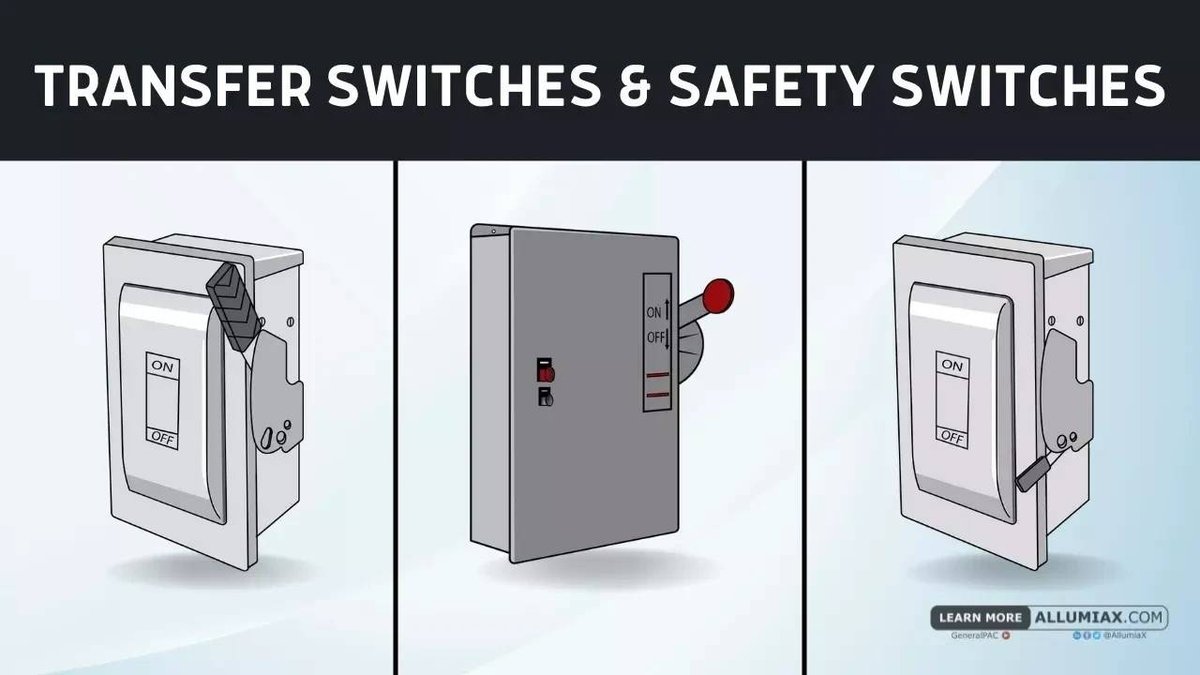
When the power goes out, a backup generator can be a true lifeline. But connecting that generator to your home or business isn't as simple as plugging it in. This is where a transfer switch becomes not just beneficial, but absolutely essential for both safety and functionality. Without one, you're looking at dangerous backfeeding hazards, frayed extension cords, and a whole lot of stress.
A transfer switch acts as the crucial intermediary, safely managing the flow of electricity between your primary utility power and your backup generator. It's the silent guardian ensuring your lights stay on, your refrigerator hums, and critical systems continue running, all while protecting utility workers and your own equipment.
At a Glance: Your Quick Guide to Transfer Switches
- Safety First: Absolutely prevents dangerous "backfeeding" of generator power into the utility grid, safeguarding utility workers.
- Seamless Power: Automatic Transfer Switches (ATS) detect outages and switch to generator power within seconds, completely hands-free.
- Smart Investment: Allows you to power hardwired appliances like furnaces, well pumps, and central AC directly from your home's electrical panel.
- Protection for Equipment: Guards against power surges and inconsistent voltage, extending the life of your electronics.
- Two Main Types: Automatic (ATS) for convenience and critical systems, and Manual (MTS) for cost-effective, hands-on backup.
- Professional Installation is Key: Always requires a qualified electrician to ensure safety, code compliance, and proper function.
- Advanced Features: Modern switches offer rapid transfers, arc flash protection, extended contact life, and integrated smart technology for peak reliability.
The Unseen Guardian of Your Power: What Transfer Switches Do (and Why You Need One)
Imagine the lights flicker, then vanish. Suddenly, your home is plunged into darkness, or your business operations grind to a halt. In that moment, a generator seems like a magic solution. But plugging a generator directly into your home's outlets or, worse, into your electrical panel without the proper safeguard, is a recipe for disaster. This is the critical problem a transfer switch solves.
A transfer switch is, at its heart, an electrical switch that literally transfers your building's electrical load from one power source to another. Most commonly, it moves between the utility power grid and a backup generator. It ensures that your home or facility is never connected to both sources simultaneously. This simple, yet profound, action is the foundation of safe and practical backup power.
Why Backfeeding is a Deadly Concern (and How a Transfer Switch Stops It)
The most vital safety function of any transfer switch is preventing "backfeeding." Backfeeding occurs when power from your generator flows back into the utility grid. To understand why this is so dangerous, think about what happens during a power outage: utility workers are out in the field, troubleshooting lines and making repairs. They assume those lines are de-energized. If your generator is backfeeding power into the grid, those lines become live, creating an electrocution risk for workers that can be fatal.
A transfer switch acts as a physical barrier, isolating your generator from the utility grid the moment it's engaged. It's a non-negotiable safety feature, protecting not only utility personnel but also preventing damage to your generator and home appliances from unexpected power fluctuations when the main grid comes back online. It also allows you to draw power from your generator through your existing electrical panel, meaning you can power specific hardwired circuits like your furnace, well pump, or vital home circuits without a tangle of hazardous extension cords running through windows and doors.
Automatic vs. Manual: Choosing Your Power Partner
Transfer switches come in two primary forms, each offering distinct advantages depending on your needs, budget, and desired level of convenience.
Automatic Transfer Switches (ATS): The "Set It and Forget It" Solution
An Automatic Transfer Switch (ATS) is the pinnacle of convenience for backup power. For critical facilities like hospitals, data centers, or factories that demand near-constant uptime, an ATS isn't just a convenience; it's a necessity.
How ATS Works Its Magic:
- Constant Monitoring: An ATS constantly monitors your primary utility power source. It's looking for any interruption, or any significant variation in voltage or frequency outside of preset limits.
- Outage Detection: The moment it detects a problem, the ATS springs into action.
- Generator Activation: It sends a signal to your backup generator, telling it to start.
- Seamless Transfer: Once the generator reaches the correct speed and voltage, the ATS automatically transfers the electrical load from the utility line to the generator. This process typically happens within seconds, minimizing downtime.
- Power Restoration: When the primary utility power is restored and stable, the ATS senses this. It then automatically transfers the electrical load back to the utility source.
- Generator Shutdown: Finally, it signals the generator to cool down and shut off, resetting itself to monitor for the next outage.
The primary benefit of an ATS is its hands-free operation. You don't need to be home or present to activate your backup power. This makes it ideal for vacations, business continuity, or simply ensuring your critical systems (like medical equipment, security systems, or sump pumps) are always powered, even in your absence.
Manual Transfer Switches (MTS): The "Hands-On" Approach
A Manual Transfer Switch (MTS) offers a more cost-effective solution but requires direct human intervention. While it shares the fundamental safety benefit of preventing backfeeding, the convenience factor is different.
How MTS Works:
- Outage Notification: When you notice a power outage, you'll need to manually start your generator.
- Physical Switch: Once the generator is running and stable, you'll go to the MTS panel and physically operate a switch or lever to transfer the electrical load from the utility to the generator.
- Restoration: When utility power returns, you'll manually switch the load back to the utility and then manually shut down your generator.
MTS are a popular choice for homeowners who want safe generator integration without the higher upfront cost of an ATS. They are perfectly viable for situations where a brief power interruption isn't critical, and you're comfortable with the manual steps involved. However, the manual intervention can pose safety and time management concerns if an outage occurs at an inconvenient time or when you're not around.
Deciding Factor: What's Right for You?
The choice between an ATS and an MTS largely hinges on your priorities:
- For maximum convenience, immediate power restoration, and critical applications: An ATS is the clear winner.
- For cost-effectiveness, basic backup needs, and a willingness to manually manage the process: An MTS is an excellent, safe choice.
Both types offer the core benefit of safe power transfer, but the "automatic" aspect adds a layer of resilience and peace of mind that many find invaluable.
Beyond the Basics: Advanced Safety & Design for Ultimate Protection
Modern transfer switches, especially those designed for demanding environments, incorporate sophisticated engineering to ensure not just basic power transfer, but maximum safety, reliability, and longevity. These advanced features address critical moments during power transitions, protecting both people and equipment.
Mastering the Moment of Truth: Fast Transfer Speeds
In any power transition, speed matters. Whether automatic or manual, minimizing the time your power is interrupted is key to avoiding glitches in sensitive electronics and maintaining continuity.
Advanced designs achieve this through:
- External Manual Operators (EMOs): For manual transfers, EMOs allow operators to initiate a transfer without opening the cabinet door. This eliminates extra steps, speeds up the process, and is critical for safety.
- Optimized Mechanisms: Internal designs often use cam-and-roller mechanisms or similar components to ensure swift, decisive contact engagement and disengagement, independent of how fast an operator turns a crank. This ensures a consistent, quick transfer every time.
Shielding Against the Arc: Arc Flash Protection
One of the most dangerous hazards in electrical systems is an arc flash – a powerful, explosive discharge of energy caused by an electrical fault. This can result in severe burns, injuries, or even death. Transfer switches are designed to minimize this risk.
- EMOs and Closed Cabinet Safety: The ability to operate a manual transfer through the closed cabinet door via an EMO is a monumental safety feature. It keeps personnel away from live components during operation, significantly reducing arc flash exposure.
- Consistent Contact Speed: Advanced designs utilize mechanisms like unidirectional linear motors that ensure the contact opening and closing speed is independent of the operator's hand motion. This consistency and rapid action are vital because slower manual operation can increase the duration and intensity of an arc flash. By controlling the speed, these designs provide an additional layer of safety, making them far safer than systems where operator hesitation could lead to a more dangerous arc.
Built to Last: Contact Erosion Protection
The repeated making and breaking of electrical contacts during power transfers inevitably causes wear and tear. This "contact erosion" can lead to overheating, reduced performance, and ultimately, switch failure. High-quality transfer switches are engineered to resist this degradation.
- "Quick-Break" and "Quick-Make" Actions: Superior designs employ preloaded springs that ensure contacts securely lock until an "over-center" position is reached. This enables instantaneous "quick-break" (disconnection) and "quick-make" (connection) actions, causing only a momentary interruption. This rapid, decisive action minimizes arcing time.
- Rapid Arc Quenching: Alongside quick actions, effective arc quenching systems quickly extinguish any arcs that do form. This combination significantly reduces contact erosion and overheating, dramatically extending the useful life of the switch. For instance, some industrial-grade switches are built to withstand high voltage (e.g., 480 VAC 3-cycle closing) and have demonstrated reliable operation for over 50 years without significant degradation.
The Foundation of Reliability: Quality Materials
The integrity of a transfer switch isn't just about its design; it's also about the materials used in its construction. You might expect robust components in such a critical device, and top-tier switches deliver:
- Machined Solid Extruded Copper Contacts: These provide excellent conductivity and durability, often fitted with tungsten arcing tips which are incredibly resistant to the extreme heat of electrical arcs.
- Machined Anodized Steel Rods: Used for mechanical linkages, these offer strength, corrosion resistance, and precise operation.
- Solid Silver-Plated Copper Bus Bars: Silver plating enhances conductivity and reduces resistance, minimizing heat generation.
- Arc-Welded Enclosure Seams: These contribute to the overall structural integrity and environmental protection of the switch's internal components.
Such material quality contributes directly to the switch's longevity, safety, and reliable function under stress.
Smart Power: Integrated Technology & Monitoring
Modern transfer switches aren't just mechanical devices; they're intelligent control centers.
- Microprocessor Control: Contemporary ATS units frequently integrate microprocessors that offer comprehensive control capabilities. These can be integrated into larger building management systems (BMS) for centralized oversight or even linked to web-enabled platforms, allowing remote monitoring and control.
- Clear Visual Cues: On-device displays provide operators with immediate, clear visual information. For example, color-coded indicators (green for primary power, yellow for transition, red for alternate power) streamline diagnostics and enable rapid operator response during power emergencies, further enhancing safety and reducing downtime.
The Open-Transition Advantage: Safety & Ease with External Manual Operators (EMOs)
Most transfer switches operate on an "open-transition," or "break-before-make" design. This means the switch completely disconnects from one power source (utility) before connecting to the other (generator). This momentary break ensures that the two power sources are never paralleled, which is crucial for safety and preventing power quality issues.
A significant benefit of these open-transition switches is their compatibility with External Manual Operators (EMOs). EMOs allow for safe and easy manual power transfers even during an automatic system malfunction or routine inspection, without requiring you to open the cabinet door.
This capability offers several distinct advantages:
- Minimized Arc Flash Concerns: By keeping the cabinet closed, operators are shielded from live electrical parts, dramatically reducing the risk of arc flash incidents. This is a critical safety measure, especially in industrial or commercial settings.
- Eliminates Complex Safety Protocols: Since the cabinet remains closed, the need for extensive Personal Protective Equipment (PPE) and adherence to strict lockout/tagout procedures often associated with opening live electrical panels is reduced or eliminated during manual operations. This simplifies operations and reduces training requirements.
- Reduced Downtime: Manual transfers can be performed more quickly and safely, meaning less time spent offline if an automatic system requires service, further improving uptime and operational efficiency.
Installation: It's Not a DIY Project
While the benefits of a transfer switch are clear, its installation is a complex electrical undertaking that is unequivocally not a do-it-yourself project. It involves connecting high-voltage circuits and ensuring compliance with stringent electrical codes.
Why Professional Installation is Non-Negotiable:
- Safety Hazards: Incorrect wiring can lead to dangerous situations, including electrocution, fire, or severe damage to your generator and home's electrical system.
- Code Compliance: Electrical installations must adhere to national and local electrical codes. A qualified electrician understands these regulations and ensures your setup is compliant, preventing costly fines or safety risks.
- Correct Circuit Connections: An electrician will correctly connect the specific circuits you want to power with your generator, ensuring they are properly isolated and protected.
- Generator Compatibility: They will ensure your transfer switch is correctly sized and compatible with your generator's output and your home's electrical panel. If you're looking to integrate a smaller, portable generator with a transfer switch, an electrician can guide you on the right type and setup.
- Warranty Protection: Improper installation can void warranties on both your generator and your electrical panel.
Beyond the immediate safety and functionality, a professionally installed transfer switch can also add significant resale value to your home, signaling to future buyers that your property is equipped for reliable and safe backup power.
Common Questions About Transfer Switches
Even with all the benefits, people often have lingering questions about transfer switches. Here are some of the most common:
Do I really need one for my generator?
Absolutely, yes. While you could technically run a few appliances directly from your generator via extension cords, it's not safe, efficient, or practical for powering your home's essential systems. A transfer switch is the only safe and legal way to connect a generator to your home's electrical system, allowing it to power hardwired appliances like your furnace, well pump, and lights through your existing circuit breakers.
Can I use an extension cord instead of a transfer switch?
For isolated, low-power appliances (like a single lamp or phone charger), a heavy-duty extension cord might suffice. However, for anything substantial – your refrigerator, furnace, water heater, or multiple devices – it's a hazardous and impractical solution. Extension cords can overload, trip, or even cause fires. They are not designed to safely power your home's integral circuits. A transfer switch channels power safely and efficiently, eliminating the "spiderweb" of cords.
What's the difference between a transfer switch and a subpanel?
A subpanel is an electrical distribution panel that draws power from your main electrical panel to serve a specific area (like a garage or an addition). A transfer switch, on the other hand, is a switching device that selects between two sources of power (utility or generator) to feed your main panel or a critical load subpanel. Sometimes, a transfer switch is integrated into a subpanel, creating a "generator subpanel" that only powers specific circuits selected by the switch.
How long do transfer switches last?
The lifespan of a transfer switch can vary significantly based on its quality, design, materials, and how frequently it operates. High-quality, robustly built switches, especially those with advanced contact protection and durable components, can reliably function for 30, 40, or even 50+ years, as mentioned earlier regarding some industrial designs. Cheaper or less robust models might have a shorter lifespan, but with proper installation and occasional inspection, most residential transfer switches will provide many years of dependable service.
Your Next Step Towards Resilient Power
The Safety & Benefits of Transfer Switches are undeniable. From preventing deadly backfeeding to ensuring seamless power restoration, these devices are the bedrock of a reliable backup power strategy. Whether you opt for the automated ease of an ATS or the cost-effective control of an MTS, you're making a crucial investment in your property's safety, functionality, and peace of mind.
Don't wait for the next outage to realize the importance of a properly installed transfer switch. If you're considering a backup generator, or if you already own one and aren't using a transfer switch, your next and most important step is to consult with a qualified, licensed electrician. They can assess your specific needs, recommend the right type and size of transfer switch for your home or business, and ensure a safe, code-compliant installation that protects you, your property, and utility workers. Secure your power, safely.