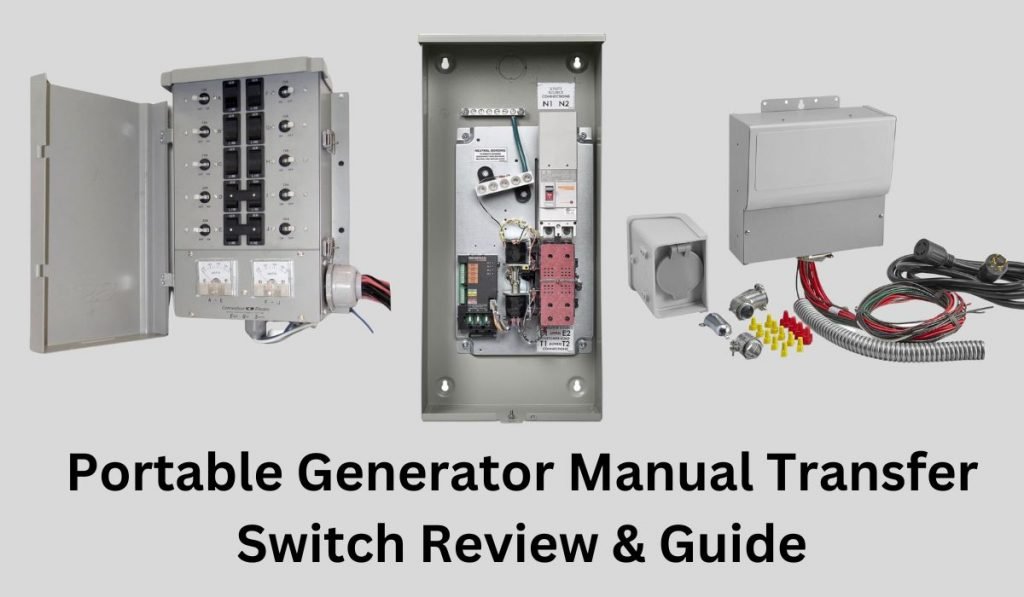
Power outages are more than just an inconvenience; they can disrupt lives, spoil food, and even pose safety risks. For many homeowners, the thought of grappling with extension cords in the dark or manually firing up a generator during a storm adds another layer of stress. This is where Understanding Portable Generator Transfer Switches becomes essential, transforming a chaotic outage into a seamless, automated power transition. It's the critical link that elevates your portable generator from a simple power source to a truly reliable home backup system.
At a Glance: Your Portable Generator & Transfer Switch
- What it is: A transfer switch is a smart electrical panel that safely moves your home's power supply from the utility grid to your portable generator, and back again.
- Automatic Operation: An automatic transfer switch (ATS) detects outages, starts your compatible generator, transfers power, and reverses the process when utility power returns, all without manual intervention.
- Unrivaled Safety: It prevents dangerous "backfeeding" into utility lines, eliminates hazardous extension cords, and protects your appliances.
- Compatibility Matters: Not all portable generators work with an ATS. Look for remote start capability, specific fuel types, and "Transfer Switch Ready" labels.
- Two Main Types: Load center switches (for essential circuits) and service disconnect switches (for whole-house power).
- Professional Installation: Always requires a licensed electrician to ensure safety and code compliance.
- Cost: Expect to invest $1,000 - $3,000+ for the ATS unit, installation, and permits (excluding the generator itself).
The Silent Guardian: How an Automatic Transfer Switch (ATS) Works
Imagine your home's electrical system has a brain that constantly monitors the flow of electricity. That's essentially the role of an automatic transfer switch (ATS). This sophisticated device ensures a seamless and, most importantly, safe transition between your utility power and your generator during an outage. It’s the orchestrator of your backup power system, eliminating the need for you to fumble with cords or flip breakers manually.
When utility power suddenly vanishes or dips to an unsafe level, the ATS immediately detects this change. Within moments, it sends an electronic signal to your compatible portable generator, typically via a simple two-wire connection. The generator springs to life, warms up, and begins producing stable electricity.
Crucially, for safety, the ATS employs a "break-before-make" mechanism. This means it completely disconnects your home from the utility grid before connecting to your generator. This critical step prevents a hazardous condition known as "backfeeding," where power from your generator could inadvertently flow back into the utility lines, endangering linemen working to restore power.
Once the generator is running smoothly and delivering a stable power supply, the ATS then seamlessly transfers your home's electrical load from the absent utility grid to the generator. You might notice a brief flicker as this switch occurs, but your essential appliances quickly hum back to life.
When the utility grid comes back online and stabilizes, the ATS detects this as well. It reverses the process, first transferring your home's power back to the utility, then signaling your generator to shut down after a necessary cool-down period. This entire sequence happens automatically, protecting your home, your family, and utility workers.
Beyond the Flickering Lights: Why an ATS is a Game-Changer
The appeal of an automatic transfer switch goes far beyond mere convenience. It fundamentally transforms your experience during a power outage, offering a layered sense of security and control.
Seamless, Automatic Power When You Need It Most
Perhaps the most significant benefit of an ATS is its automatic operation. During an outage, you don't need to be home, awake, or even aware that the power has gone out for your backup system to activate. Essential systems like your refrigerator, furnace, sump pump, or critical medical equipment remain powered without any manual intervention. This peace of mind, knowing your crucial systems are protected, is invaluable, especially for families with young children, elderly members, or those relying on life-sustaining medical devices.
Uncompromised Safety: A Non-Negotiable Benefit
Manual generator setups, often involving multiple extension cords snaking through windows or doorways, are fraught with hazards. They present trip risks, potential for circuit overloads, and, most dangerously, electrocution risks if improperly handled. An ATS eliminates all of these.
Its "break-before-make" design ensures that your home is never simultaneously connected to the utility grid and your generator, completely preventing the deadly possibility of backfeeding. This adherence to electrical safety standards is paramount, protecting not just your household but also the lives of utility workers. When you're considering your options for backup power, understanding the importance of a safe transfer switch is paramount.
Appliance Protection from Surges and Fluctuations
Power outages often come with voltage fluctuations or surges just before or after the main event. An ATS acts as a buffer, protecting your sensitive home appliances and electronics from these potentially damaging power irregularities during the transition periods. It ensures a stable, clean power supply from your generator, shielding your valuable electronics from harm.
Bridging the Gap: Affordable Automation for Portable Generators
Historically, automatic backup power was the exclusive domain of expensive, whole-house standby generator systems. While incredibly robust, these systems represent a significant investment. An ATS effectively bridges this gap, allowing you to harness the relatively lower cost and flexibility of a portable generator to achieve many of the same automatic backup benefits. It's a cost-effective solution for homeowners seeking automatic peace of mind without the hefty price tag of a full standby system.
Is Your Portable Generator ATS-Ready? Compatibility Check
While the idea of an automatic transfer switch sounds fantastic, it's crucial to understand that not all portable generators are created equal when it comes to ATS compatibility. To work seamlessly with an automatic transfer switch, your generator needs a few specific features.
Remote Start Capability: The ATS's Direct Line
The absolute bedrock of ATS compatibility is remote start capability, usually signified by a two-wire start connection. This connection allows the ATS to send a low-voltage electronic signal directly to the generator's starter, much like turning a key, but done automatically. Without this direct communication line, the ATS cannot "tell" the generator to start or stop, rendering automatic operation impossible. Before you invest in a transfer switch, ensure your portable generator has this critical feature. If you're still in the market for a generator, check out our guide on picking the right portable generator.
Fuel Type Considerations: Propane's Edge
While not strictly a compatibility requirement, the type of fuel your generator uses can significantly impact its suitability for ATS integration, especially for fully automatic setups.
- Propane-powered generators are often preferred for ATS setups because they don't require manual choking. Propane starts cleanly and reliably with an electric start, making it ideal for unattended operation. Propane also has a much longer shelf life than gasoline, reducing fuel maintenance worries.
- Gasoline generators can be ATS-compatible if they have remote start, but they often require manual choking or priming when cold, making truly automatic starts challenging unless the generator model has an advanced automatic choke.
- Small diesel generators (10-15kVA) are also often a good fit, as they typically come standard with autostart features and onboard battery chargers.
"Transfer Switch Ready" Models: The Easiest Path
Some portable generator manufacturers explicitly label their models as "Transfer Switch Ready." These generators are specifically designed for ATS integration and often include all the necessary connections and features, taking the guesswork out of compatibility. This designation is a strong indicator that the generator will integrate smoothly with an ATS system.
Onboard Battery Chargers: Keeping the "Starter" Charged
For any electric-start generator, the starting battery needs to be reliably charged. An ATS-compatible generator should ideally have an onboard battery charger that keeps the starting battery topped off while the generator is not running. This ensures that when the ATS sends the "start" signal, the battery has enough juice to crank the engine to life, even after long periods of inactivity. Without it, you'd have a dead battery when you need your generator most.
Picking the Right Switch: Types of Transfer Switches for Portable Generators
Choosing the right transfer switch type is critical, as it dictates how much of your home will be powered and the complexity of the installation. For portable generator setups, you'll primarily encounter two main types: load center (or manual) transfer switches and service disconnect automatic transfer switches.
Load Center Transfer Switches: Powering Your Essentials
This is the most popular and practical choice for portable generators providing backup for specific circuits. A load center transfer switch doesn't power your entire home; instead, it allows you to select a subset of your existing electrical circuits to back up.
- How it Works: This type of switch is essentially a small sub-panel installed next to your main electrical panel. Your electrician will move a limited number of essential circuits (typically 8 to 16, though some offer more) from your main panel to this new transfer switch panel. When the power goes out, these specific circuits are then routed to your generator.
- Ideal For: Keeping critical items running like your refrigerator, freezer, furnace fan, well pump, a few lights, and several essential outlets. It's an excellent balance between cost, complexity, and maintaining core home functionality during an outage.
- Considerations: You need to consciously choose which circuits are "essential." This often involves identifying high-priority items and ensuring their combined wattage doesn't exceed your portable generator's capacity.
Service Disconnect Transfer Switches: Whole-House Automation (with a Powerful Portable)
While more commonly associated with whole-house standby generators, a service disconnect transfer switch can be used with a powerful portable generator for whole-home backup.
- How it Works: This type of switch is installed directly between your electric meter and your home's main breaker panel. It literally disconnects your entire home from the utility grid before connecting it to your generator.
- Ideal For: Homeowners who want to back up virtually every circuit in their home, effectively operating as if the power never went out.
- Considerations:
- Generator Power: This approach demands a very powerful portable generator, typically 10,000 watts or more, to handle the full load of a modern home.
- Amperage Matching: The service disconnect switch must match the amperage of your home's main breaker panel (e.g., a 200-amp main breaker requires a 200-amp service disconnect switch).
- Cost & Complexity: These switches are generally more expensive and require a more involved installation process, often requiring a new, larger generator inlet box and heavier gauge wiring.
Sizing Up Your System: Generator & ATS Matching
Getting the right size generator and transfer switch isn't just about functionality; it's about efficiency, safety, and ensuring you have enough power without overloading your equipment.
For Service Disconnect Switches: A Simple Match
If you're opting for a service disconnect transfer switch for whole-house backup, the sizing is straightforward: the ATS amperage must match the amperage of your home's main breaker panel. For example, if your home has a 200-amp main breaker, you'll need a 200-amp service disconnect transfer switch. This ensures your electrical system remains balanced and compliant with codes. Of course, you'll also need a portable generator powerful enough to supply that entire load, which is a significant wattage requirement.
For Load Center Switches: Calculating Your Essentials
Sizing for a load center transfer switch (the more common choice for portable generators) requires a bit more thought. You're effectively building a custom backup plan for your home's essential circuits.
- Identify Your Essentials: Walk through your home and list everything you absolutely need to run during an outage. Think refrigerator, freezer, furnace fan, well pump, critical lighting circuits, a few outlets for charging devices, perhaps a microwave.
- Determine Running Watts: For each essential item, find its running wattage. This information is usually on a label on the appliance or in its manual. Sum these up to get your total running wattage.
- Account for Starting Surges: This is crucial! Many motor-driven appliances (refrigerators, freezers, well pumps, AC units) require a much higher burst of power to start than they do to run. This is called a "starting surge" or "surge watts."
- Example: A refrigerator might run at 150 watts but surge to 600 watts for a few seconds when the compressor kicks on. A well pump could run at 1000 watts but surge to 3000 watts.
- You don't add all starting surges together, as it's unlikely all motor-driven appliances will start simultaneously. Instead, you'll take your total running watts and add the largest single starting surge from any of your selected appliances.
- Generator Capacity: Your portable generator's running wattage capacity should comfortably exceed your calculated total running watts + the largest starting surge. Always give yourself a little buffer.
Example Calculation:
| Appliance | Running Watts | Starting Watts (Surge) |
| :-------- | :------------ | :--------------------- |
| Refrigerator | 150 | 600 |
| Furnace Fan | 800 | 2000 |
| 5 Lights | 500 | 0 |
| TV/Modem | 200 | 0 |
| Total Running | 1650 | |
In this example, your total running watts are 1650. The largest single starting surge is 2000 watts (from the furnace fan). So, your required generator capacity would be 1650 (running) + 2000 (largest surge) = 3650 watts. You'd look for a portable generator with a running wattage of at least 3650 watts (e.g., a 4000-watt or 5000-watt model). It's also helpful to have an understanding of how your home's electrical panel works to make these choices.
Smart Features That Make a Difference
While the core function of an ATS remains consistent, certain features can significantly enhance its performance, safety, and your overall backup power experience. Don't overlook these when making your selection.
Power Management Modules: Preventing Overload
For homeowners seeking to power more circuits than their portable generator might comfortably handle simultaneously, power management modules are invaluable. These modules offer "load shedding" capabilities. They can be programmed to prioritize certain circuits and temporarily turn off non-essential, high-demand loads (like an air conditioning unit or electric water heater) if the generator approaches its capacity limit. This prevents generator overload, ensuring your truly critical systems remain powered and extending the life of your generator. Once the demand from critical loads drops, the shed loads can be reconnected.
NEMA Enclosure Ratings: The Right Protection for the Environment
The physical enclosure of your transfer switch is critical, especially if it's installed outdoors. NEMA (National Electrical Manufacturers Association) ratings indicate the level of protection against environmental factors.
- NEMA 1: Suitable for indoor use only, protecting against light dirt and accidental contact.
- NEMA 3R: Absolutely essential for outdoor installations. A NEMA 3R rated enclosure provides robust protection against rain, sleet, snow, and external ice formation. This prevents water intrusion and corrosion, ensuring the longevity and safe operation of your switch in all weather conditions.
UL 1008 Certification: Non-Negotiable Safety Assurance
When dealing with electrical equipment that interfaces with your home's power and a generator, safety is paramount. Always look for UL 1008 certification. This certification from Underwriters Laboratories signifies that the automatic transfer switch has undergone rigorous testing and meets strict industry standards for safety and performance. It's a critical stamp of approval that assures you the product is designed and built to operate safely and reliably.
Programmable Displays and Advanced Switch Mechanisms
Modern ATS units often come with more advanced features that offer greater control and diagnostics.
- Programmable displays: These can provide real-time information on utility status, generator status, run hours, maintenance reminders, and even fault codes, allowing for better monitoring and troubleshooting.
- Advanced switch mechanisms: Some switches incorporate features like adjustable delay times for transfers (e.g., waiting a few seconds longer for utility power to stabilize before transferring back), which can further protect sensitive electronics.
Professional Installation: Non-Negotiable for Safety and Code Compliance
Installing an automatic transfer switch is not a DIY project. It involves serious electrical work, directly interfacing with your home's main electrical system and potentially hazardous voltages. Attempting to install it yourself is dangerous and can lead to property damage, injury, or even death, not to mention voiding warranties and insurance policies.
Why a Licensed Electrician is Essential
A licensed electrician possesses the specialized knowledge, tools, and experience to perform the installation safely and correctly. They understand:
- National Electrical Code (NEC): The comprehensive set of standards for electrical installations in the U.S.
- Local Building Codes: Specific regulations in your municipality that may have additional requirements.
- Load Calculations: Ensuring the system is properly sized and balanced.
- Wiring Requirements: Selecting the correct gauge wire, conduits, and connection methods.
They will secure the necessary permits before starting work, ensuring the installation is inspected and approved by local authorities. This verification protects you and ensures your home meets safety standards.
Generator Inlet Box Placement: Critical for CO Safety
A key aspect of the installation is determining the optimal location for the generator inlet box. This is where you'll plug in your portable generator to connect it to the transfer switch.
- Distance is Key: The inlet box must be located at least 15-20 feet from your home, and critically, away from any windows, doors, or vents. This distance is a non-negotiable safety measure to prevent dangerous carbon monoxide (CO) fumes from entering your home. Carbon monoxide is an invisible, odorless, and deadly gas.
- Accessibility: While observing distance, the box should still be in an accessible location for you to safely plug in the generator.
- Line of Sight: Consider a path that minimizes tripping hazards from the generator to the inlet.
Weatherproofing Your Connections
For any outdoor components, such as the generator inlet box or the ATS itself if it's rated for outdoor use, weatherproofing is paramount. This means using NEMA 3R rated enclosures and appropriate outdoor-rated conduits and connectors. Proper sealing prevents moisture intrusion, which can lead to shorts, corrosion, and electrical hazards.
Operating Your ATS-Enabled Portable Generator Safely
Even with an automatic transfer switch making operations largely hands-free, there are still critical safety protocols and best practices you must follow when using a portable generator. Automation enhances convenience, but human oversight remains vital. If you want a more general overview of generator safety, check out our guide on essential generator safety protocols.
Carbon Monoxide: The Invisible Threat Remains
This cannot be stressed enough: Portable generators produce carbon monoxide (CO), a deadly, odorless, and colorless gas.
- Strictly Outdoor Use: Your generator must always operate outdoors. Never run it in a garage (even with the door open), basement, or any enclosed or semi-enclosed space.
- Distance and Direction: Place the generator at least 15-20 feet away from your home, with the exhaust pointed away from any windows, doors, or vents. Even with an ATS, you're still connecting a portable unit.
- CO Detectors: Install battery-operated carbon monoxide detectors inside your home, especially near sleeping areas, and test them regularly. This is your primary defense against CO poisoning.
Weather Protection: Shielding Your Investment
While your transfer switch is indoors or in a NEMA 3R enclosure, your portable generator needs protection too.
- Generator Covers: Invest in a purpose-built generator cover or a specialized generator shelter. These protect the unit from rain, snow, and debris while crucially maintaining adequate ventilation to prevent overheating and CO buildup. Never operate a generator under an enclosed tent or structure that restricts airflow.
- Dry Ground: Always operate the generator on a dry, level surface.
Fuel Management and Storage: A Manual Task
Unlike a standby generator with a fixed fuel line, portable units require manual refueling.
- Approved Containers: Store gasoline in approved, properly labeled safety cans, away from living areas and direct sunlight.
- Cooling Down: Always allow the generator to cool down completely before refueling to prevent fire hazards.
- Propane's Advantage: If you have a propane-powered generator, ensure you have an adequate supply of propane tanks. Propane offers a longer shelf life and eliminates the need for stabilizers or worrying about fuel going stale.
Reliability is Key: Maintenance and Exercise Runs
An ATS can only start a generator if the generator is ready to start.
- Regular Maintenance: Follow your generator's maintenance schedule diligently. This includes checking oil levels, spark plugs, air filters, and fuel filters.
- Periodic Exercise Runs: Even if you don't have outages, run your generator under a light load for 20-30 minutes every month or two. This keeps components lubricated, fuel fresh (if using gasoline, consider a fuel stabilizer), and ensures the battery stays charged and the engine is ready to respond when the ATS calls for it.
- UPS for Critical Loads: For truly critical loads that cannot tolerate even a momentary power interruption (like medical devices or sensitive servers), consider pairing a small Uninterruptible Power Supply (UPS) with those specific items. A UPS provides instant battery backup, bridging the short gap (usually 10-30 seconds) between the utility power failure and your generator coming online. It's an extra layer of defense in a comprehensive power outage preparedness plan.
Investment in Peace of Mind: What to Expect Cost-Wise
Investing in an automatic transfer switch for your portable generator is an investment in safety, convenience, and peace of mind. While it’s more significant than just buying a generator, it's considerably less than a full whole-house standby system. Here’s a breakdown of the typical costs (excluding the generator itself):
The total cost for an ATS for a portable generator setup typically ranges from $1,000 to $3,000 or more, depending on the type of switch, the complexity of your home's electrical system, and local labor rates.
1. The ATS Unit Itself:
- Basic 50-Amp Load Center Switches: These are the most common for portable generator setups, handling 8-16 essential circuits. You can expect to pay anywhere from $400 to $800.
- Higher Amperage or Feature-Rich Service Disconnect Switches: For whole-house backup or systems with advanced power management features, costs can range from $800 to $1,500+. These units are generally more robust and complex.
2. Professional Installation:
- This is often the most variable part of the cost, usually several hundred dollars to over a thousand.
- Factors influencing installation cost:
- Complexity: How far is the transfer switch from the main panel? How far is the generator inlet box from the switch? Does new conduit need to be run?
- Labor Rates: These vary significantly by geographic region.
- Existing Electrical System: Older homes might require more extensive modifications to meet current codes.
- Inlet Box: The cost of the generator inlet box and necessary wiring will be included here.
3. Permit Fees:
- Almost all electrical work that modifies your home's main electrical system requires a permit from your local municipality.
- These fees typically range from a few hundred dollars and cover the cost of plan review and inspection to ensure the work is done safely and to code.
While these costs represent a notable expense, remember that you are paying for professional expertise, code compliance, and the absolute safety of your electrical system. This investment protects your home, your family, and utility workers, making it a wise decision for reliable and safe backup power. When evaluating your options, you might also compare this setup to the differences between standby and portable generators to ensure you're making the most informed decision for your needs.
Your Path to Seamless Backup Power
In a world where reliable power is often taken for granted, preparing for outages with an automatic transfer switch for your portable generator is a smart, proactive step. It transforms the stress and disruption of a power loss into a manageable, even seamless, event. By understanding how these intelligent devices work, what features to look for, and the non-negotiable importance of professional installation, you're not just buying a piece of equipment; you're investing in the continuous comfort, safety, and security of your home.
No more fumbling in the dark, no more dangerous extension cords, and no more worrying about backfeeding. Just the quiet assurance that when the grid falters, your home's essential systems will keep humming along, automatically. Take the time to assess your needs, consult with a licensed electrician, and make an informed decision that will empower your home through any future power disruption.
Untuk pemahaman lebih lengkap, baca panduan utama kami: understanding generator transfer switches